
The life sciences, and in particular, the pharmaceutical supply chain, are far more complex than other products and industries. Pharmaceuticals and other medical products require unique compliance with FDA regulations and control. Ingredients are often scarce and difficult to procure. Batch sizes can be in the millions all the way down to a batch size of one. Products often have to be temperature-controlled. This complexity sets this industry’s supply chains apart from most others and presents unique challenges for supply chain planning and operations.
The global nature of the pharma industry
The pharma supply chain is global. Building-block chemicals that are used for common off-the-shelf drugs such as acetaminophen and antibiotics are manufactured almost entirely in China and India. Other pharmaceuticals use unique and scarce ingredients that are sourced worldwide from plants and animals.
From individualized treatments to massive production of building-block chemicals, the manufacturing and shipment of these products to consumer markets is global, often originating in China and India and delivered worldwide. The risks of these long global supply chains and America’s complete dependence on imports for drugs such as antibiotics were fully exposed during the pandemic. This resulted in new regulations, massive funding opportunities for U.S. expansion, and the reshoring of some production.
Manufacturing, shipping, and logistics
In addition to long global supply chains, many pharma products incorporate unstable ingredients that must be kept in a temperature-controlled environment. This poses major challenges when sourcing active pharmaceutical ingredients, referred to as APIs, which are the core, biologically active components responsible for a drug’s intended therapeutic effect. They are part of the medicine that treats the disease, relieves pain, or prevents symptoms, and they are often rare and scarce.
Related podcast

Manufacturing of a finished product is typically outsourced if the drug is made in mass quantities, as is the case with off-the-shelf products such as Tylenol and Excedrin, which are made overseas. This introduces issues of oversight and regulatory adherence. Stringent requirements like the U.S. FDA Drug Supply Chain Security Act (DSCSA) require complex, full-batch traceability, making it difficult to quickly switch manufacturers or suppliers.
Other drugs, particularly personalized drug treatments, are made in small lots or even in a lot of one, making production of these life-saving products difficult to plan. Manufacturing must be precise, often includes controlled substances and sterilization processes, and all of this is carefully controlled by government regulations.
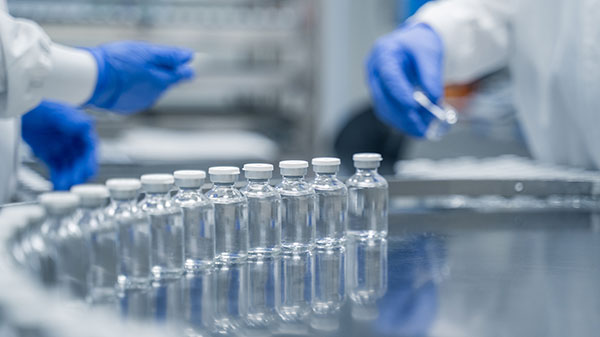
Raw materials as well as finished products may require carefully monitored cold-chain shipping and protection from contamination. Roughly 70% of the top-selling pharma products require temperature-controlled logistics, with about $35 billion lost annually due to temperature-controlled failures and improper handling.
Geopolitical and cybersecurity risks
We can easily imagine our dependence on China and India for drugs such as antibiotics. Geopolitics play an important role in securing the supply. Concentration of drug manufacturing in one country or region results in vulnerabilities caused by politics and policies, potentially threatening the supply of drugs to the U.S. or other countries which could be devastating to populations.
Cybersecurity is yet another risk in the global supply of drugs. Contamination of products or disruption of distribution through cyberattacks are possibilities. While cybersecurity is a major concern in all industries, the pharmaceutical industry is particularly vulnerable.
These are not everyday supply chain challenges
Pharmaceutical industry supply chains and logistics are difficult, requiring skilled and experienced supply chain professionals to source, plan, produce, package, and distribute drugs. The overlay of government regulations adds a unique and additional layer of complexity. Geopolitics plays a critical intervening role. Hats off to our supply chain colleagues working in this challenging industry.
SC
MR

More Pharmaceutical Supply Chain
- The complexity of the pharma supply chain
- NextGen Supply Chain Conference 2026 opens speaker submission process
- NextGen Supply Chain Conference returns to Nashville in 2026 with focus on innovation, talent, and transformation
- Optimizing procurement analytics with Generative AI and automated data visualization
- Boosting new product launches with supplier know-how in pharma
- More Pharmaceutical Supply Chain
What's Related in Pharmaceutical Supply Chain
 Explore
Topics
Procurement & Sourcing News
- Why companies blame the wrong supplier … and miss the real failure
- NextGen Supply Chain Conference unveils agenda focused on AI, execution and the future of leadership
- From fragmented negotiations to coordinated negotiation performance: an AI-enabled approach
- Supply chain resilience isn’t a data problem; it’s a judgment problem
- Why your supply chain risk management plan will fail
- When component verification becomes operational
- More Procurement & Sourcing
Latest Procurement & Sourcing Resources
About the Author
Rosemary Coates, Exec. Dir. Reshoring Institute

Ms. Coates is the Executive Director of the Reshoring Institute and the President of Blue Silk Consulting, a Global Supply Chain consulting firm. She is a best-selling author of five supply chain management books including: 42 Rules for Sourcing and Manufacturing in China and Legal Blacksmith - How to Avoid and Defend Supply Chain Disputes. Ms. Coates lives in Silicon Valley and has worked with over 80 clients worldwide. She is also an Expert Witness for legal cases involving global supply chain matters. She is passionate about Reshoring.
Follow SCMR on social media.
@SupplyChainManagementReview on Facebook
@SCMR on Twitter
SCMR on Linkedin
Subscribe

Supply Chain Management Review delivers the best industry content.

Editors’ Picks



